
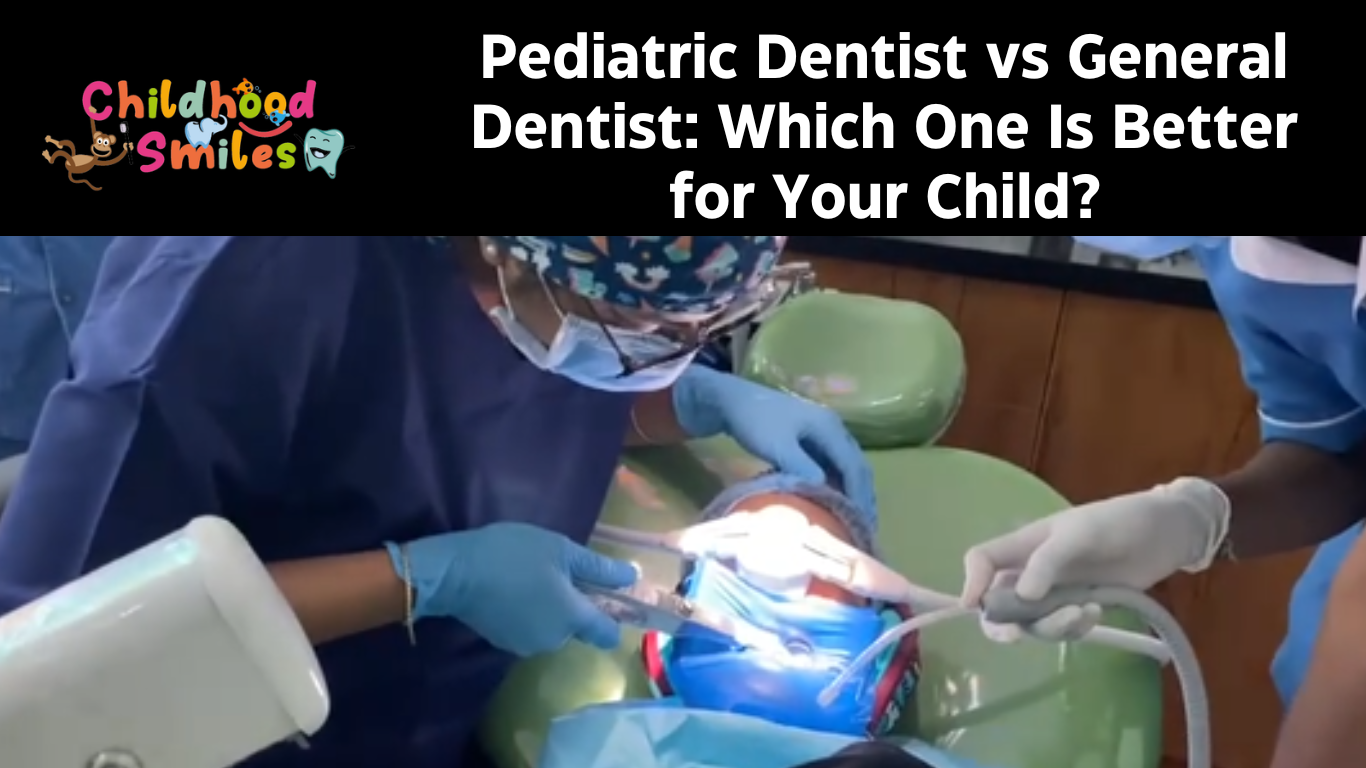
Pediatric Dentist vs General Dentist: Which One Is Better for Your Child?
As parents, we want the very best for our children – whether it’s choosing the right school, the right doctor, or even the right toothbrush. But when it comes to dental care, many parents wonder:
“Does my child really need a pediatric dentist, or can a general dentist treat children just as well?”
It’s a genuine question, and one we hear almost every day in our clinic.
The simple answer is this: both general dentists and pediatric dentists are qualified dentists. However, they are trained for different types of patients and different kinds of dental needs.
If your child is cooperative, has healthy teeth, and only needs a routine cleaning, many general dentists can certainly provide basic dental care. But children are not simply “small adults.” Their teeth, jaws, emotions, behaviour, and dental needs change rapidly as they grow. Treating them requires a different approach, additional training, and an environment designed specifically for them.
Let’s understand the difference in detail so you can make an informed decision for your child.
Who Is a General Dentist?
A general dentist is the primary dental care provider for people of all ages. After completing a Bachelor of Dental Surgery (BDS), they are trained to diagnose, prevent, and treat common dental problems in children, adults, and elderly patients.
General dentists commonly provide services such as:
- Dental check-ups
- Teeth cleaning
- Fillings
- Tooth extractions
- Root canal treatment
- Crowns and bridges
- Gum disease treatment
- Preventive dental care
Many general dentists enjoy treating children and have considerable experience doing so. For routine and basic dental care, they can often meet the needs of many families.
However, treating infants, toddlers, anxious children, children with special healthcare needs, and those requiring advanced tbehaviour management often calls for additional expertise.
Who Is a Pediatric Dentist?
A pediatric dentist (also called a children’s dentist) is a dentist who completes an additional 2–3 years of specialized training after dental school, focusing entirely on children’s oral health.
During this advanced training, pediatric dentists learn:
- Growth and development of children’s teeth and jaws
- Child psychology and behaviour management
- Infant oral health
- Preventive dentistry
- Management of dental trauma
- Treatment of children with special healthcare needs
- Sedation dentistry
- Early orthodontic evaluation
- Management of dental emergencies in children
In simple words, a pediatric dentist spends years learning not just how to treat children’s teeth – but how to treat children themselves.
Why Children's Dental Care Is Different
Children go through tremendous changes in a short span of time.
Between birth and adolescence, they experience:
- Teething
- Eruption of baby teeth
- Loss of baby teeth
- Arrival of permanent teeth
- Jaw growth
- Habit development
- Speech development
- Nutritional changes
- Behavioural changes
Each stage brings different dental concerns.
A pediatric dentist understands these developmental milestones and knows what is normal, what requires monitoring, and what needs early intervention.
It's Not Just About Teeth - It's About Behaviour
One of the biggest differences between a pediatric dentist and a general dentist is behaviour management.
Children often feel scared because:
- They don’t understand what’s happening.
- The dental chair looks intimidating.
- Strange sounds can make them anxious.
- Previous medical experiences may have frightened them.
- They fear injections or pain.
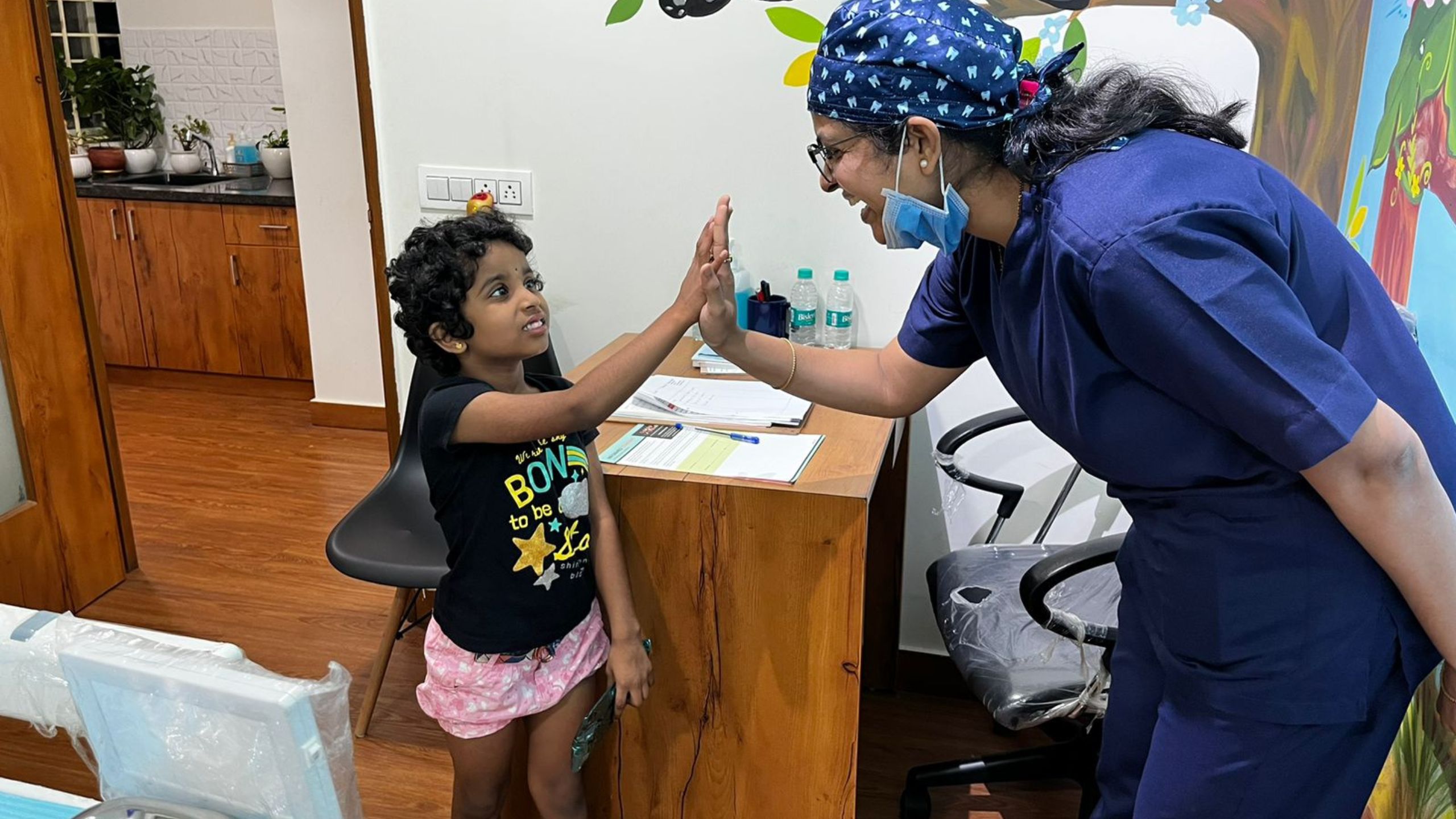
A pediatric dentist is trained to help children feel comfortable before beginning any treatment.
Instead of rushing through an appointment, we focus on building trust.
Sometimes we spend the first visit simply introducing the child to the clinic, letting them explore the surroundings, and making the dental chair feel less scary.
This positive first experience often shapes a child’s attitude towards dental care for life.
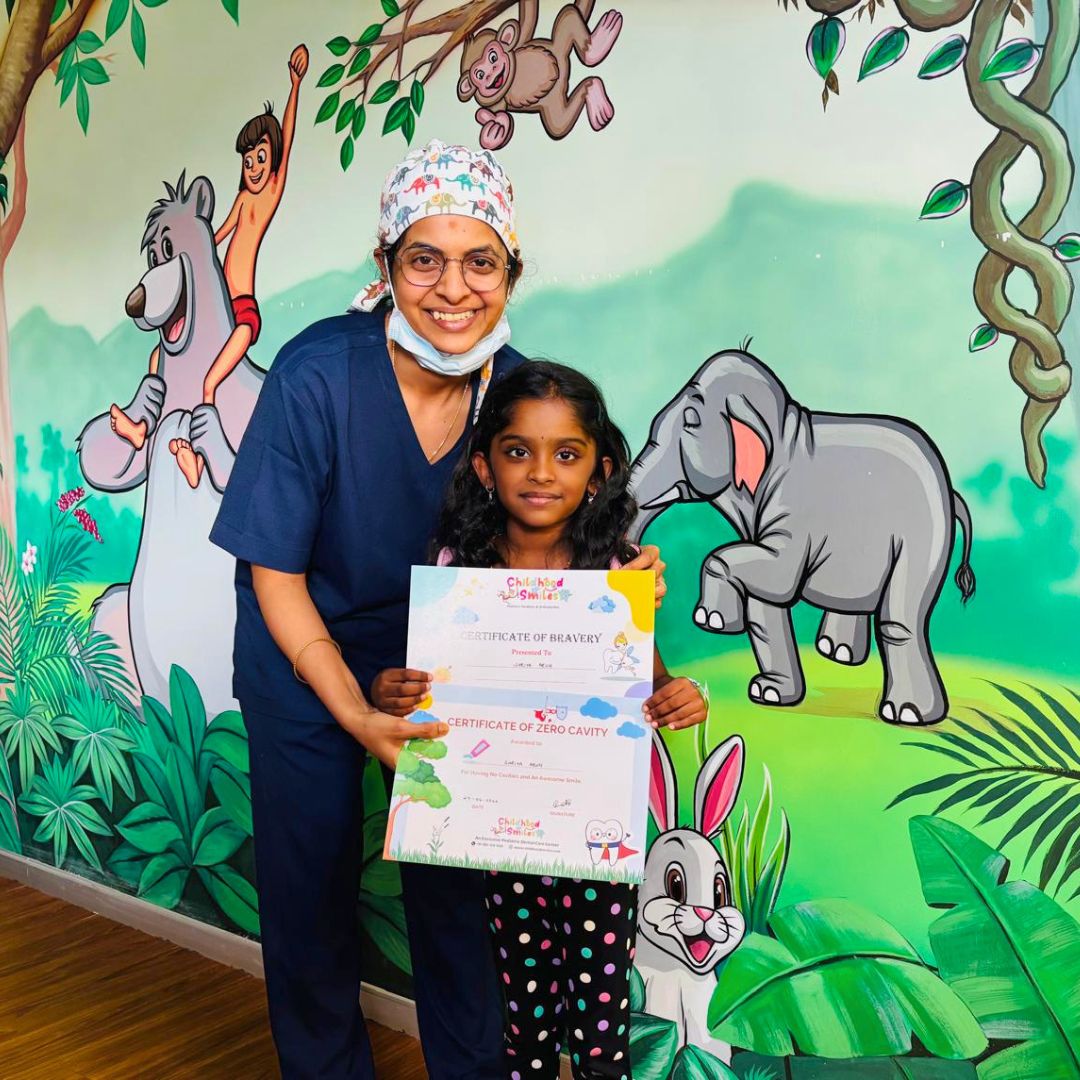
Child-Friendly Clinics Make a Big Difference
Walk into a pediatric dental clinic, and you’ll notice something different immediately.
Instead of a clinical environment filled with adult patients, you’ll usually find:
- Bright colours
- Cartoon-themed interiors
- Children’s books
- Toys
- Interactive play areas
- Kid-sized furniture
- Television screens
- Friendly staff trained to work with children
These aren’t just decorative features.
They are carefully designed to reduce anxiety and make dental visits enjoyable rather than stressful.
A relaxed child allows the dentist to perform a more thorough examination and, if needed, treatment with much greater ease.

Specialized Equipment for Small Smiles
Children have much smaller mouths than adults.
Using adult-sized instruments can make treatment uncomfortable.
Pediatric dental clinics are equipped with instruments specially designed for children, including:
- Smaller dental mirrors
- Child-sized mouth props
- Pediatric X-ray sensors
- Tiny hand instruments
- Special crowns for baby teeth
These instruments help make dental treatment safer, quicker, and more comfortable.
Preventive Dentistry Is the Heart of Pediatric Dentistry
Most parents think of visiting the dentist only when their child has pain.
Unfortunately, by the time pain develops, the problem is often quite advanced.
Pediatric dentistry places a strong emphasis on prevention.
Preventive services include:
- Regular dental check-ups
- Professional cleaning
- Fluoride application
- Pit and fissure sealants
- Dietary counselling
- Oral hygiene education
- Cavity risk assessment
- Growth monitoring
The goal is simple:
Prevent dental disease before it starts.
This approach saves children from unnecessary pain and parents from expensive treatments later.
Monitoring Growth and Jaw Development
Your child’s mouth is constantly changing.
Baby teeth are making space for permanent teeth.
The jaws are growing.
The bite is developing.
Small problems noticed early are often much easier to correct than problems detected years later.
A pediatric dentist routinely monitors:
- Tooth eruption sequence
- Missing teeth
- Extra teeth
- Crowding
- Crossbite
- Open bite
- Deep bite
- Jaw growth abnormalities
Early detection allows timely referral for orthodontic treatment when necessary.
Managing Dental Anxiety
Some children become anxious even before entering the clinic.
Others may cry throughout the appointment.
This doesn’t necessarily mean they are “difficult children.”
They simply need a different approach.
Pediatric dentists use several child-friendly behaviour management techniques, including:
- Tell-Show-Do
- Positive reinforcement
- Distraction techniques
- Voice modulation
- Modelling
- Gentle communication
- Parental guidance
When required, options such as laughing gas (nitrous oxide sedation) or conscious sedation may also be recommended for selected children.
These methods help children receive the treatment they need without creating traumatic memories.

Caring for Children with Special Healthcare Needs
Children with autism, ADHD, Down syndrome, cerebral palsy, sensory disorders, or developmental delays often require additional patience, planning, and individualized care.
Pediatric dentists receive dedicated training in treating children with special healthcare needs.
Appointments may be longer, quieter, and customized according to the child’s comfort level.
The objective is always to provide compassionate dental care while making the experience as positive as possible.
Emergency Dental Care for Children
Children are naturally active.
Falls during cycling, sports injuries, playground accidents, and broken teeth are common childhood emergencies.
Managing dental trauma in children is very different from managing it in adults.
A pediatric dentist understands:
- How to save injured baby teeth when appropriate
- How trauma affects developing permanent teeth
- When to monitor and when immediate treatment is needed
- Long-term follow-up after injuries
Quick and appropriate management can often make a significant difference in the outcome.
How to Choose the Right Pediatric Dentist for Your Child
When selecting a Pediatric Dentist, consider these questions:
- Does the clinic regularly treat children?
- Is the environment child-friendly?
- Does the dentist communicate patiently with children?
- Are preventive services emphasized?
- Does your child feel comfortable during visits?
- Is enough time given to answer your questions?
- Does the clinic focus on building positive dental experiences?
A child who enjoys visiting the dentist is much more likely to maintain healthy oral habits into adulthood.
Why Parents Choose Pediatric Dentists
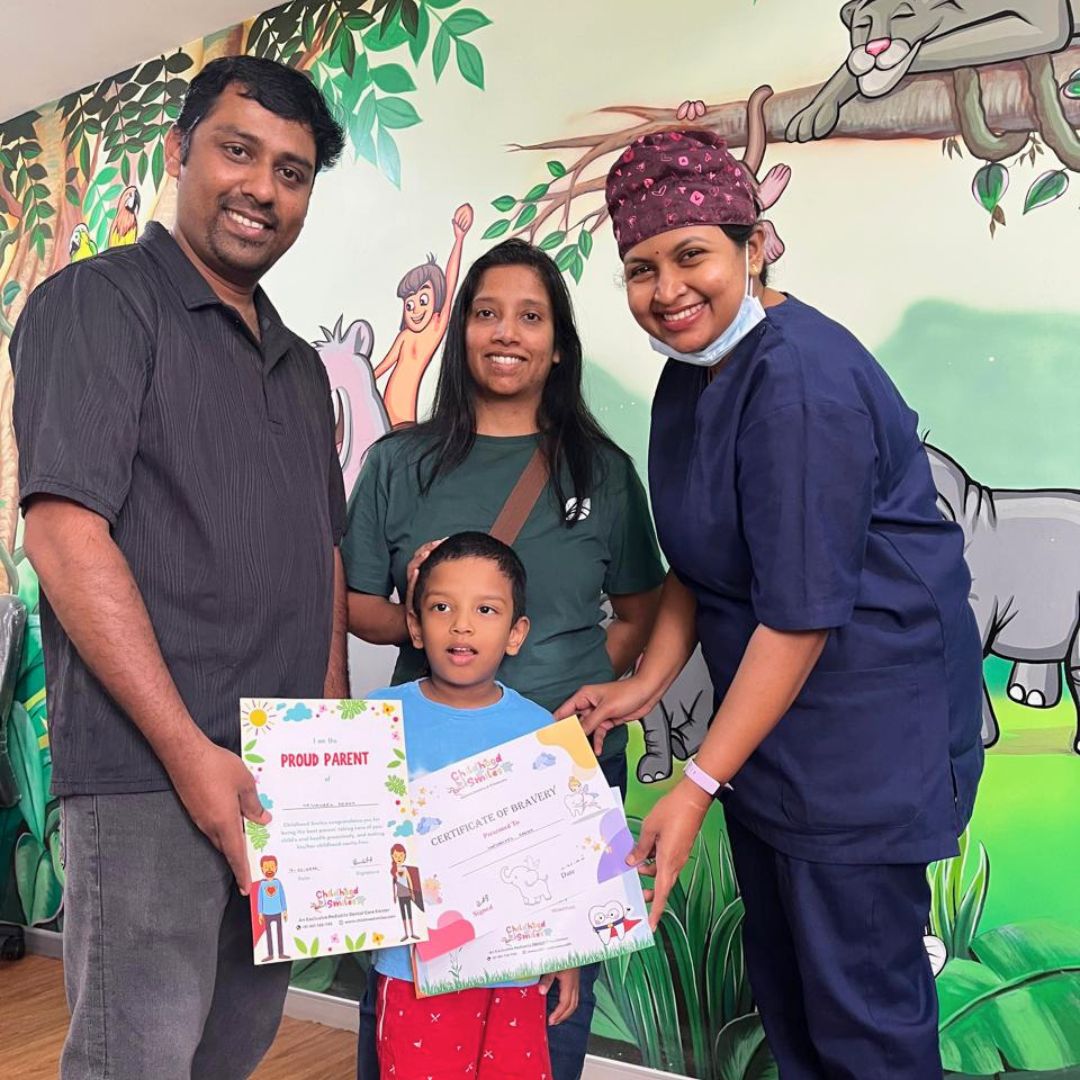
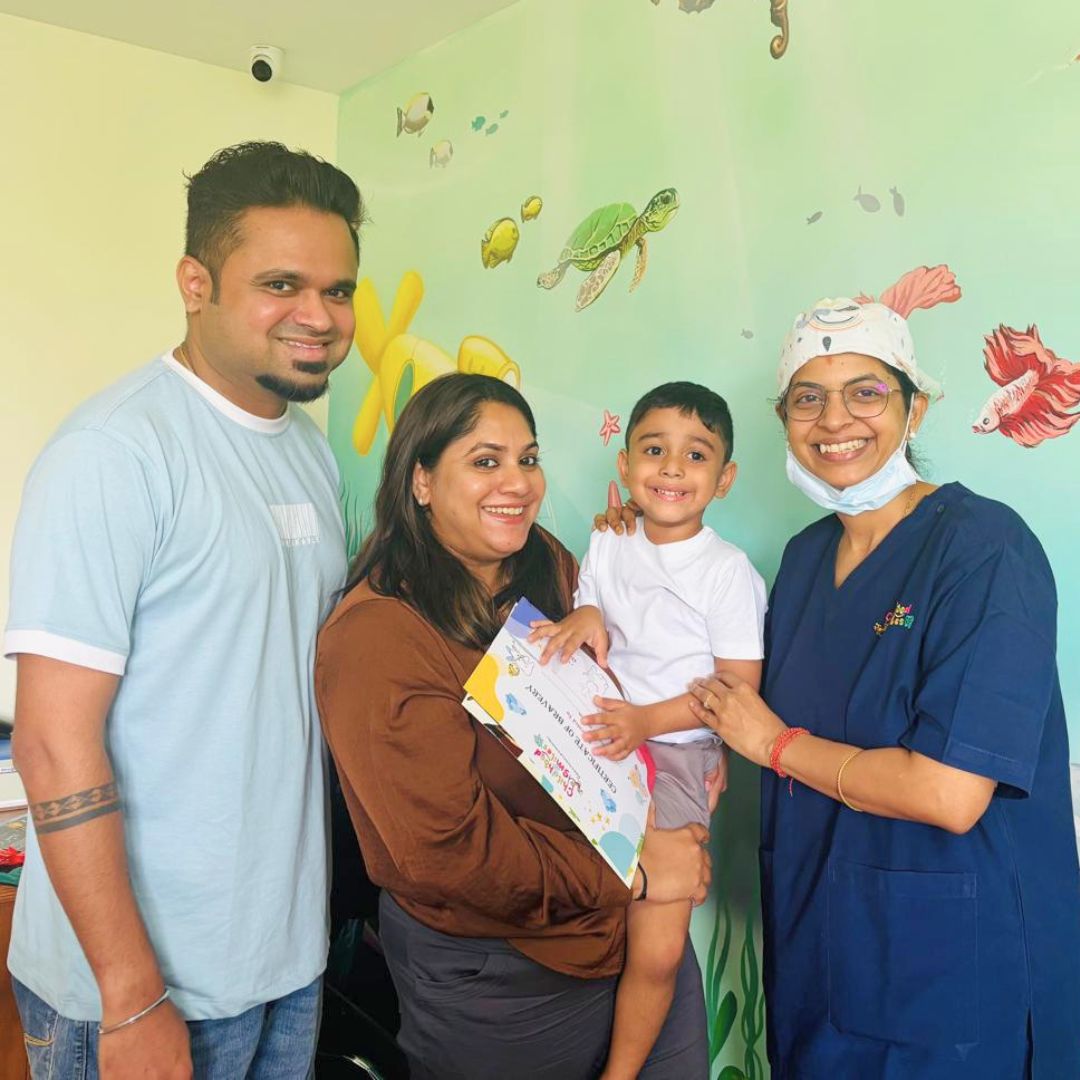
Many parents tell us they notice several differences after visiting a pediatric dental clinic.
Their children often:
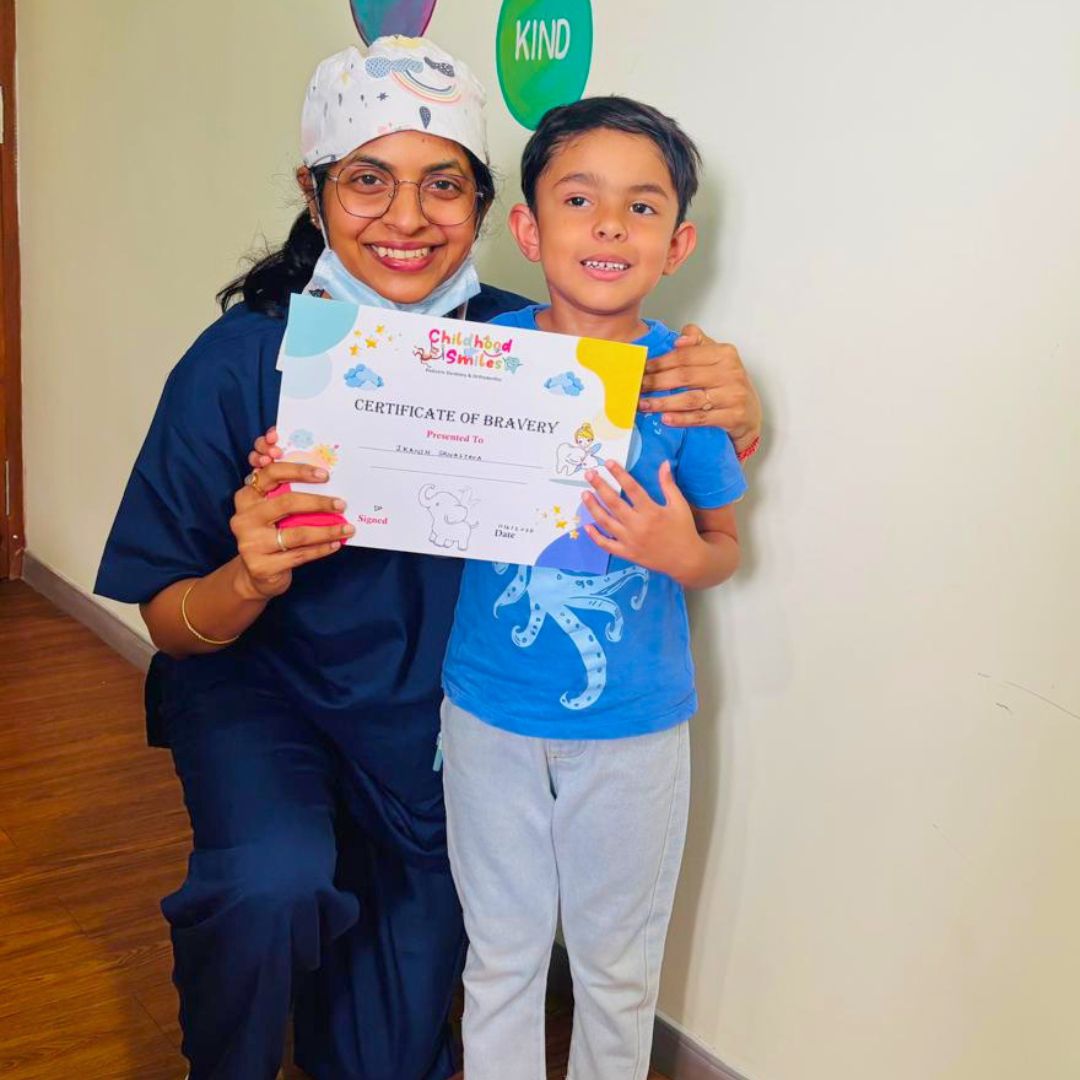
- Become less fearful of dental visits
- Cooperate better during treatment
- Learn proper brushing habits
- Develop greater confidence
- Understand the importance of oral health
For parents, this means less stress, fewer emergency visits, and healthier smiles as children grow.
Both general dentists and pediatric dentists play an important role in oral healthcare.
General dentists provide comprehensive dental care for patients of all ages and are well-equipped to manage many routine dental needs.
Pediatric dentists, however, dedicate additional years of training exclusively to children’s oral health. Their expertise extends beyond treating teeth—they understand child behaviour, growth and development, preventive care, dental trauma, and the unique challenges that come with caring for infants, toddlers, teenagers, and children with special healthcare needs.
If your goal is not only to treat dental problems but also to help your child develop a lifelong positive relationship with dental care, a pediatric dentist offers an environment and approach specifically designed for growing smiles.
Every child deserves dental care that matches their stage of development, personality, and individual needs. Choosing the right dental professional today can make a lasting difference to your child’s oral health for years to come.
Looking for a Pediatric Dentist in Bangalore?
At Childhood Smiles, we are dedicated exclusively to children’s dentistry. From your baby’s very first dental visit to preventive care, cavity treatment, growth monitoring, orthodontic guidance, and specialized care for children with special healthcare needs, our focus is on making every visit safe, comfortable, and positive.
Our child-friendly clinic combines advanced pediatric dental care with gentle behaviour management, ensuring that children feel relaxed while parents feel informed and reassured.
If you’re looking for a caring team that understands children’s unique dental needs, we’d be happy to welcome your family and help your child build a healthy, confident smile for life.