
When Should My Child First See a Dentist? Why We Recommend the First Visit by Age One.
One of the questions we hear most often from new parents is:
Doctor, my baby only has a few teeth. Is it really necessary to visit a dentist already?
Sometimes the question comes with a smile, and sometimes with genuine surprise. Many parents believe a child only needs to visit the dentist when all the baby teeth have erupted, when they are old enough to sit in the dental chair, or worse – when they complain of pain.
As a pediatric dental clinic, we gently tell parents that by the time a child has a toothache, we have already missed an opportunity to prevent the problem.
At Childhood Smiles, we encourage parents to bring their babies for their first dental visit by their first birthday or within six months of the first tooth erupting, whichever comes first. This recommendation isn’t unique to our clinic – it is supported by leading pediatric dental organizations around the world because early dental visits help prevent problems instead of simply treating them later.
More importantly, they help parents feel confident about caring for their child’s growing smile.
If you’re a new parent wondering whether it’s “too early” for a dental visit, this blog is for you.
Why So Early? My Baby Only Has One or Two Teeth!
This is perhaps the biggest misconception we hear.
Parents often tell us,
Doctor, my baby only has two tiny teeth. What will you even check?
The truth is, a baby’s mouth is changing rapidly from the very beginning.
Even before all the baby teeth appear, we evaluate:
- Whether the teeth are erupting normally
- Early signs of tooth decay
- Oral hygiene practices
- Feeding habits
- Gum health
- Jaw development
- Tongue and lip attachments
- Habits that may affect future oral development
The first visit is much less about treatment and much more about prevention and guidance.
In fact, most babies who visit us at this age don’t need any dental treatment at all.
What they need is a healthy start.
Did You Know?
- The IAPD, AAPD, and ADA all recommend that a child’s first dental visit should happen by the age of one, or within six months of the first tooth erupting.
- By the time your baby turns one, they may already have 2–8 teeth, making it the perfect time to check that everything is developing normally.
- Research shows that children who establish a dental home early are more likely to receive preventive care and less likely to need emergency dental treatment later in childhood.
The First Dental Visit Is Really for Parents Too
Many parents arrive expecting that we will only examine their baby’s mouth.
Instead, they often leave saying,
Doctor, we learned so much today.
At Childhood Smiles, we see the first visit as an opportunity to answer all those questions that parents have been searching for online.
Questions like:
- How often should I brush my baby’s teeth?
- Which toothpaste should I use?
- Is fluoride safe?
- Can breastfeeding cause cavities?
- Does my baby need to stop night feeds?
- Is thumb sucking normal?
- What should I do if my baby falls and injures a tooth?
- When should I stop using a bottle?
- Is a pacifier harmful?
There are no silly questions when you’re a new parent.
We believe every parent deserves clear, evidence-based answers – not confusing information from the internet.
What Is a "Dental Home"?
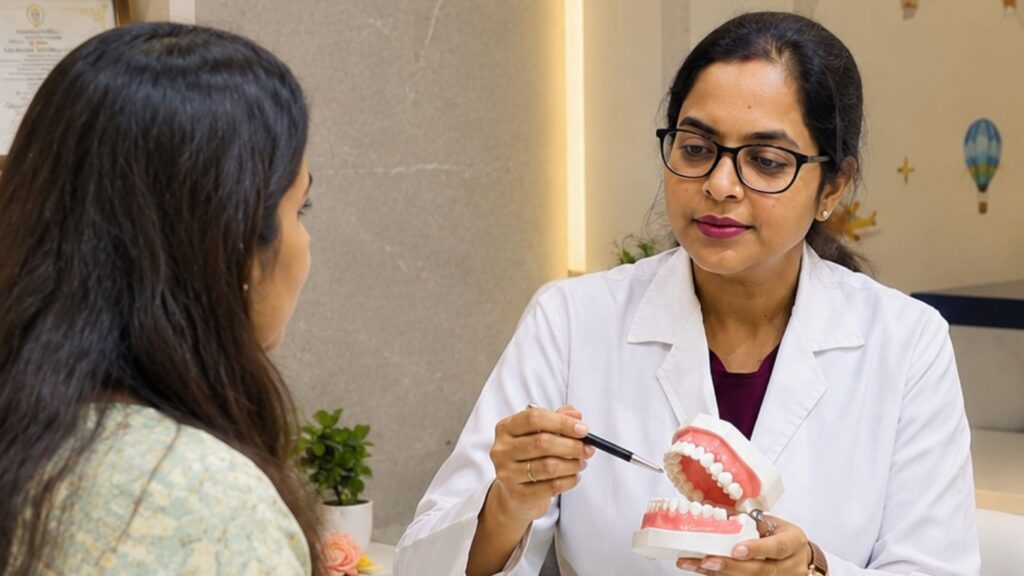
One term you’ll often hear in pediatric dentistry is a Dental Home.
Just as your child has a pediatrician who follows their growth and development over the years, a Dental Home is a trusted pediatric dental clinic where your child’s oral health is monitored from infancy through adolescence. The concept is recommended by leading pediatric dental organizations because it focuses on prevention rather than waiting for problems to develop.
At Childhood Smiles, we love becoming part of a family’s journey right from those precious first teeth. By seeing your child regularly, we can monitor growth, guide parents through every developmental milestone, and often prevent small concerns from becoming bigger ones.
Baby Teeth Are More Important Than Most Parents Realize
One of the most common myths we hear is:
They’re only baby teeth. They’ll fall out anyway.
While it’s true that baby teeth are temporary, their role is incredibly important.
They help your child:
- Learn to chew properly
- Develop clear speech
- Smile with confidence
- Maintain good nutrition
- Guide permanent teeth into the correct position
- Support normal jaw growth
If baby teeth are lost too early because of decay or infection, it can affect the development of the permanent teeth that follow.
Healthy baby teeth lay the foundation for a healthy adult smile.
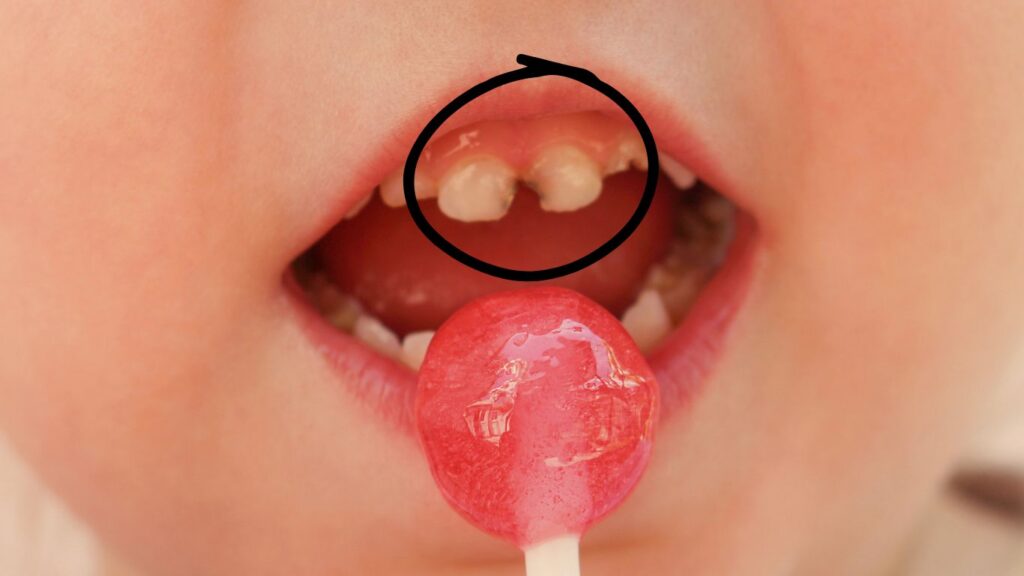
Can Babies Really Get Cavities?
Unfortunately, yes.
Many parents are surprised to learn that cavities can appear soon after the first teeth erupt.
This condition is known as Early Childhood Caries (ECC) and is one of the most common chronic diseases affecting young children.
We often see cavities develop because of a combination of factors such as:
- Frequent sugary drinks
- Prolonged bottle feeding
- Poor oral hygiene
- Frequent snacking
- Sleeping with milk or juice in the mouth
- Delayed first dental visits
The encouraging news is that Early Childhood Caries is largely preventable.
And that’s exactly why we recommend seeing children early.
When we identify risk factors before cavities develop, families can often avoid more complicated dental treatment later.
What Happens During Your Baby's First Visit at Childhood Smiles?
Many parents imagine their baby sitting in a dental chair with lots of instruments.
In reality, the first visit is usually much simpler – and much more enjoyable.
Depending on your baby’s age, we may examine them while they sit comfortably in your lap or using a gentle knee-to-knee position with you beside them.
During the visit, we typically:
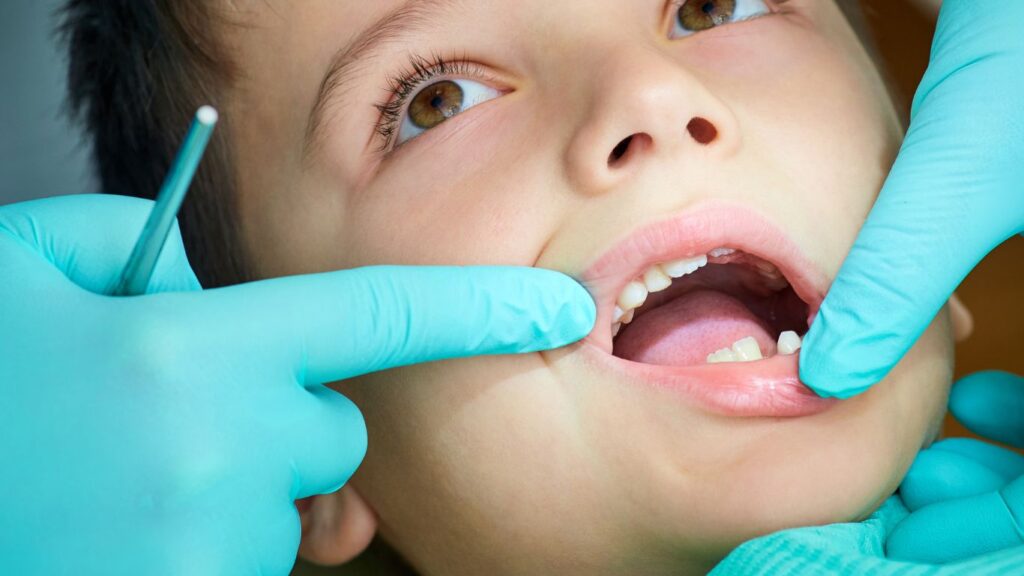
- Examine the teeth and gums
- Check oral development
- Look for early signs of decay
- Assess tongue and lip attachments if needed
- Discuss feeding habits
- Review brushing techniques
- Explain fluoride recommendations
- Answer your questions
- Discuss what to expect over the coming months
Most appointments involve more conversation than treatment.
Our goal is to help both babies and parents feel comfortable with dental visits from the very beginning.
Why We Focus on Positive First Experiences
A child’s relationship with the dentist often begins much earlier than parents realize.
Children remember emotions long before they remember details.
If a child’s very first dental visit happens because they are in pain, frightened, or need emergency treatment, they may naturally associate dentistry with fear.
At Childhood Smiles, we want the opposite.
We want your child’s first memory of the dentist to be one of smiles, gentle voices, toys, encouragement, and friendly faces.
When children grow up visiting the dentist before problems develop, they are often much more relaxed during future appointments.
What If My Baby Cries?
This is probably the question parents worry about the most.
Please don’t worry.
Babies cry.
Toddlers cry.
Even preschoolers sometimes cry. At Childhood Smiles, we expect that. A crying baby does not mean the appointment has gone badly. It simply means your child is experiencing something new.
Our team works gently, patiently, and at your child’s pace. Sometimes the examination takes just a minute or two. Sometimes we spend more time talking with parents than examining the baby. Every child is different, and that’s perfectly okay.
Habits We Can Identify Early
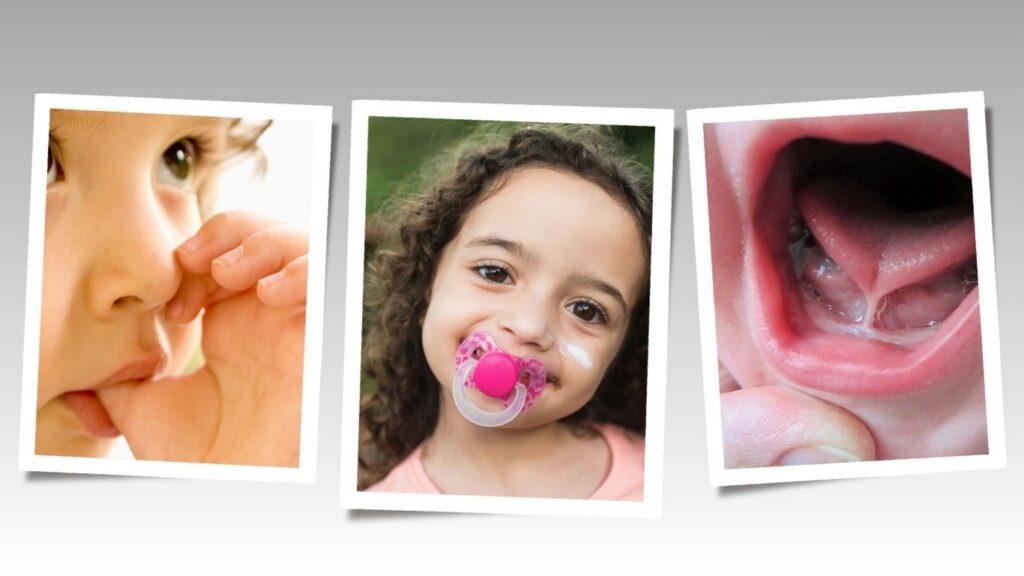
One of the biggest advantages of early visits is identifying habits and problems that may affect your child’s future oral development.
These may include:
- Thumb sucking
- Prolonged pacifier use
- Mouth breathing
- Tongue tie
- Lip tie
- Incorrect bottle-feeding habits
- Delayed tooth eruption
- Abnormal eruption patterns
Many of these concerns are easier to manage when identified early rather than years later. Regular check-ups allow us to monitor these changes as your child grows.
A Partnership with Parents
As a pediatric dental clinic, we often say that our youngest patients have the smallest mouths – but their parents have the biggest role to play.
Your child’s oral health begins at home.
At Childhood Smiles, we see ourselves as partners in your parenting journey.
Rather than simply checking teeth every six months, we guide families through every stage of early childhood oral development. Whether it’s your baby’s first tooth, questions about teething, concerns about thumb sucking, or advice on brushing techniques, we’re here to support you along the way.
Common Questions We Answer During First Visits
Every family is different, but these are some of the questions we discuss most often.
Which toothpaste should I use?
We’ll recommend the appropriate fluoride toothpaste based on your child’s age and cavity risk.
How much toothpaste is enough?
For babies, only a very small smear is needed. As children grow, the amount changes.
Should I clean my baby’s mouth before teeth appear?
Yes. Even before the first tooth erupts, gently cleaning the gums can help establish healthy habits.
My child doesn’t like brushing. What should I do?
We’ll share practical strategies based on your child’s age and personality.
Is thumb sucking normal?
For infants and young toddlers, thumb sucking is often a normal self-soothing habit. However, if it continues for several years, it may affect jaw and tooth development.
We help parents understand when to simply observe and when intervention may become necessary.
Why Choosing a Pediatric Dental Clinic Matters
Babies and toddlers aren’t simply miniature adults. They need an environment designed specifically for them.
At Childhood Smiles, every aspect of our clinic has been created with children in mind. From our colourful surroundings to our child-friendly communication, our goal is to help little ones feel safe from the moment they enter.
As a pediatric dental clinic, we focus exclusively on children’s oral health – from infancy through adolescence. That means understanding not only teeth, but also child behaviour, growth and development, preventive care, feeding habits, and the many milestones that shape a healthy smile.
When Should You Book Your Baby's First Dental Appointment?
If your baby has celebrated their first birthday – or if their first tooth appeared within the last six months – this is the perfect time to schedule their first dental visit.
Even if everything looks healthy, an early check-up gives us the opportunity to:
- Make sure your child’s teeth are developing normally.
- Identify risk factors before cavities begin.
- Guide you on feeding and oral hygiene.
- Answer your questions with confidence.
- Help your child become familiar with the dental clinic.
Think of it as a wellness visit for your child’s smile.
What If My Child Is Already Two or Three Years Old and Has Never Seen a Dentist?
If your little one is older than one and hasn’t yet visited a dentist, don’t worry – it’s never too late to start.
We often meet parents who simply didn’t know that babies should have an early dental visit. The important thing is not to feel guilty, but to schedule an appointment now.
Whether your child is one, two, or even three years old, we’ll focus on making their first experience positive and comfortable while checking that their teeth and jaws are developing as expected.
Every child starts somewhere, and we’re here to support your family whenever you’re ready.
Give Your Child the Best Start with Childhood Smiles
At Childhood Smiles, we believe that the best dental treatment is often the one a child never needs because a problem was prevented early.
That’s why our First Dental Visit appointments are designed to be gentle, informative, and reassuring – not just for your baby, but for you as a parent.
Whether you’re celebrating your baby’s very first tooth, wondering if you’re brushing correctly, or simply looking for guidance from a pediatric dentist who understands children, we’d love to welcome your family.
Every healthy smile begins with a first visit. And there’s no better time to start than today.